
Maasai Mara National Reserve is one of Africa’s most famous safari destinations and a dream location for wildlife lovers, photographers, and adventure seekers from around the world. Located in southwestern Kenya along the border of Tanzania’s Serengeti National Park, the Maasai Mara is renowned for its breathtaking landscapes, abundant wildlife, and the spectacular Great Migration — one of the greatest natural wonders on Earth.
Covering approximately 1,510 square kilometers, the reserve forms part of the larger Mara-Serengeti ecosystem, which supports one of the highest concentrations of wildlife in Africa. Endless golden savannahs, rolling hills, scattered acacia trees, and winding rivers create the perfect setting for unforgettable safari experiences.
The Meaning Behind the Name
The name “Maasai Mara” comes from the Maasai people, the traditional inhabitants of the region, and the word “Mara,” meaning “spotted” in the Maa language. The landscape appears spotted because of the scattered acacia trees, bushes, and cloud shadows spread across the open plains.
The Maasai community remains an important part of the region’s culture and identity. Visitors often have opportunities to learn about Maasai traditions, dances, crafts, and their deep connection to wildlife conservation.
Wildlife in Maasai Mara
The Maasai Mara is globally celebrated for its incredible wildlife diversity. It is home to the famous Big Five:
- Lions
- Leopards
- Elephants
- Buffaloes
- Rhinos
In addition to the Big Five, the reserve supports numerous other animals, including:
- Cheetahs
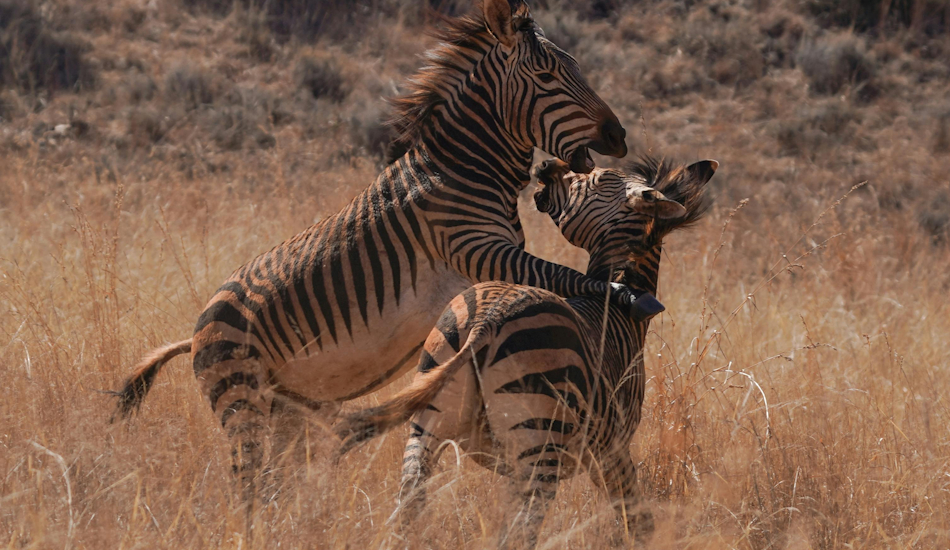
- Zebras
- Giraffes
- Wildebeests
- Hyenas
- Hippos
- Crocodiles
- Gazelles
- Warthogs
- Jackals
Game drives in the Maasai Mara offer exceptional wildlife sightings throughout the year, making it one of the best safari destinations in Africa.
The Great Migration
One of the Maasai Mara’s biggest attractions is the world-famous Great Migration. Every year, millions of wildebeests, zebras, and gazelles migrate between Tanzania’s Serengeti and Kenya’s Maasai Mara in search of greener pastures.
This extraordinary event usually occurs between July and October and is considered one of the Seven Natural Wonders of Africa. During the migration, dramatic river crossings take place along the Mara River, where animals face strong currents and predators such as crocodiles and lions.
Witnessing thousands of wildebeests crossing the river is one of the most thrilling wildlife experiences in the world.
Big Cats of the Mara
The Maasai Mara is particularly famous for its large population of big cats. Lions roam freely across the plains, often seen hunting or relaxing under acacia trees. The reserve is also one of the best places in Africa to spot cheetahs, known for their incredible speed and graceful movements.
Leopards, although more elusive, are frequently found resting on tree branches or hidden within riverine forests.
Wildlife photographers and filmmakers are drawn to the Mara because of its exceptional predator activity and open landscapes that allow easy viewing.
Safari Experiences in Maasai Mara
Game Drives
Game drives are the most popular activity in the Maasai Mara. Visitors explore the reserve in specially designed safari vehicles accompanied by experienced guides who help track wildlife and explain animal behavior.
Morning and evening game drives provide the best chances to spot predators and enjoy beautiful African sunrises and sunsets.
Hot Air Balloon Safaris
A hot air balloon safari over the Maasai Mara is one of the most magical experiences in Kenya. Visitors float silently above the plains at sunrise while watching wildlife move across the savannah below.
The experience usually ends with a champagne breakfast in the bush, creating unforgettable memories.
Walking Safaris
Guided walking safaris allow visitors to explore nature on foot while learning about animal tracks, plants, insects, and the smaller details of the ecosystem.
These safaris provide a deeper understanding of the environment and the interconnectedness of wildlife.
Cultural Visits
Many safari itineraries include visits to traditional Maasai villages where travelers can interact with local communities, experience Maasai dances, and learn about their customs and lifestyle.
The Maasai people are known for their colorful clothing, traditional beadwork, and strong cultural heritage.
Birdwatching in Maasai Mara
The Maasai Mara is also a paradise for bird lovers, with over 500 bird species recorded in the reserve.
Bird species commonly seen include:
- African fish eagles
- Secretary birds
- Ostriches
- Vultures
- Hornbills
- Lilac-breasted rollers
- Crowned cranes
The reserve’s rivers, grasslands, and forests create ideal habitats for both resident and migratory birds.
Landscape and Scenery
The Maasai Mara’s scenery is one of its greatest attractions. Vast open grasslands stretch endlessly toward the horizon, dotted with acacia trees and crossed by rivers filled with hippos and crocodiles.
The Mara River is particularly famous during the migration season, while the surrounding hills provide scenic viewpoints for photography and wildlife observation.
Sunsets in the Maasai Mara are spectacular, painting the sky with shades of orange, pink, and gold.
Luxury and Accommodation
The Maasai Mara offers accommodation options for every type of traveler, including:
- Luxury safari lodges
- Tented camps
- Boutique eco-camps
- Mid-range safari camps
- Budget accommodations
Many lodges are strategically located near wildlife hotspots and offer stunning views of the savannah.
Luxury camps provide world-class hospitality, gourmet dining, spa services, and private game drives, while eco-lodges focus on sustainability and conservation.
Conservation and Sustainability
Conservation plays a vital role in protecting the Maasai Mara ecosystem. Several conservancies surrounding the reserve work closely with local communities to preserve wildlife habitats and promote sustainable tourism.
These conservancies help reduce human-wildlife conflict while supporting community development through tourism revenue.
Visitors staying in conservancies often enjoy exclusive safari experiences with fewer vehicles and more personalized wildlife encounters.
Best Time to Visit Maasai Mara
The Maasai Mara can be visited year-round, but the best time depends on the type of experience travelers seek.
July to October
This is the peak migration season and the best time to witness river crossings and predator action.
December to February
These months offer excellent wildlife viewing with warm weather and fewer crowds.
March to May
The green season brings beautiful landscapes, fewer tourists, and excellent birdwatching opportunities.
Why Maasai Mara Is Special
The Maasai Mara is more than just a safari destination — it is one of the world’s greatest wildlife ecosystems. Few places on Earth offer such rich biodiversity, dramatic wildlife encounters, and authentic cultural experiences in one location.
From the thunder of migrating wildebeests to the roar of lions across the plains, every moment in the Maasai Mara feels extraordinary. Whether you are enjoying a sunrise balloon safari, photographing cheetahs in the grasslands, or listening to Maasai stories around a campfire, the Mara creates memories that last a lifetime.
Book Now
Maasai Mara National Reserve remains Kenya’s crown jewel and one of Africa’s most iconic safari destinations. Its incredible wildlife, scenic beauty, rich Maasai culture, and unforgettable safari experiences continue to attract travelers from every corner of the world.
Whether you are visiting for the Great Migration, the Big Five, luxury safaris, or cultural adventures, the Maasai Mara offers an authentic African experience unlike any other. It is a destination where nature thrives, wildlife roams freely, and every safari becomes a remarkable journey into the heart of Africa.